Combating the war on rust
Blast solutions to give Australia a non-corrosive edge in space flight hardware
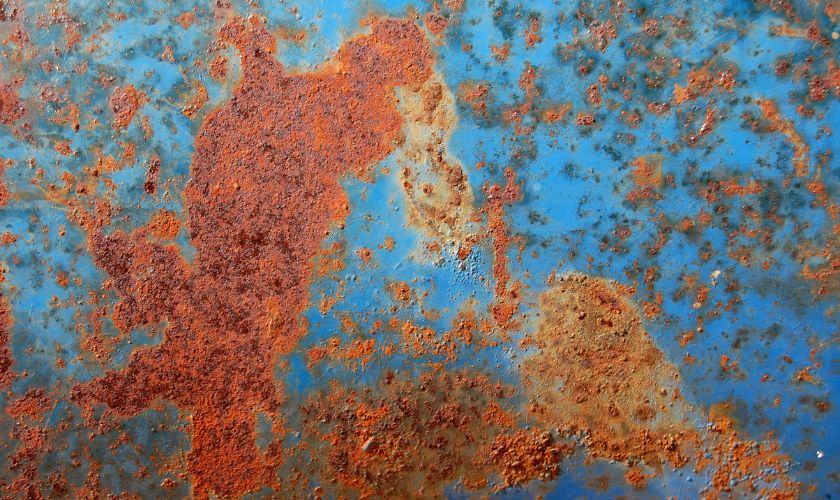
Keeping space flight hardware rust free is a perpetual burden for the likes of NASA, ever since the first rockets lifted off from Kennedy Space Center in Florida, located within 300 metres of the Atlantic Ocean.
Meanwhile, corrosion protection has become a high priority for the space industry as salt from the ocean combined with the heavy lift launch vehicles’ acidic rocket exhaust[1] contribute to the deterioration of metal surfaces.
In Australia, corrosion is estimated to cost the country over billions of dollars each year. As Australia’s space industry continues to develop, our largely coastal launch pads will face the ongoing threat of corrosion, just like NASA.
“It’s hard enough to develop space capability without the salt air eating everything you build, but Australia’s largely coastal populace has lived with this problem for our whole history,” said iLAuNCH Chief Technical Officer, Joni Sytsma.
“This number pales in comparison to the expected global cost of corrosion at over $2.9 trillion US dollars annually, nearly 3.4% of global GDP.”
The latest iLAuNCH collaborative research project with BlastOne International and the University of Southern Queensland (UniSQ) will enhance maintenance and repair of structures that need blasting and particularly those that exist in salty Australian seaside environments.
UniSQ researchers bring advanced aerospace capabilities from their hypersonic research expertise to design blast guns and feed systems in a similar way they have designed their hypersonic wind tunnels.
“This project is a prime example of how space and aerospace research benefit the Australian manufacturing industries, trades, and society. The project will make BlastOne Technologies space-ready. At the same time, developed technology and capabilities will trickle down and change how large steel infrastructure assets such as bridges, ships, launchers, are maintained,” said University of Southern Queensland’s Associate Professor, Ingo Jahn.
“In a previous UniSQ project, we made improved blasting nozzles that produced less noise. If a road closure was necessary for maintenance on a bridge, the improved nozzle meant a more efficient service, so that the duration of repairs was reduced which for road users means less time stuck in traffic.”
The process of preparing surfaces for coating by abrasive blasting can also be hazardous for operators and others working in the vicinity of where abrasive blasting is performed.
In developing this new technology, this project aims to increase safety and reduce costs behind blast operations by applying cutting edge aerospace design tools and methodologies against the problem.
At the conclusion of this project, we expect that the consortium will have developed blast products to give Australia an edge in the war on rust.